
Chemical-Free Skin Care
The Hidden Danger Behind Instant Color


Chemical hair colors have become a common part of beauty routines, but most people are unaware of the risks hidden inside these products. Many popular hair dyes contain strong chemicals such as ammonia, PPD, parabens, resorcinol, and artificial fragrances that promise vibrant color and quick results but silently damage the hair and scalp over time. These ingredients can penetrate deeply into the skin, trigger allergies, weaken hair roots, and affect overall scalp health. What begins as simple coloring often leads to dryness, hair fall, itching, or long-term sensitivity that many people don’t connect to their hair dye use.
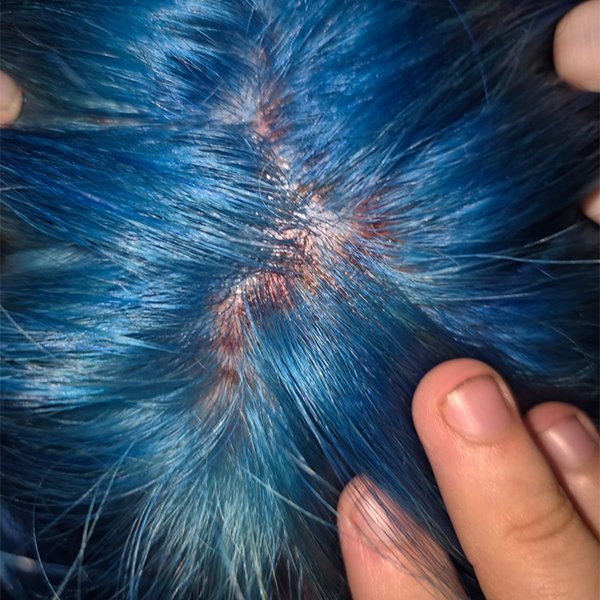
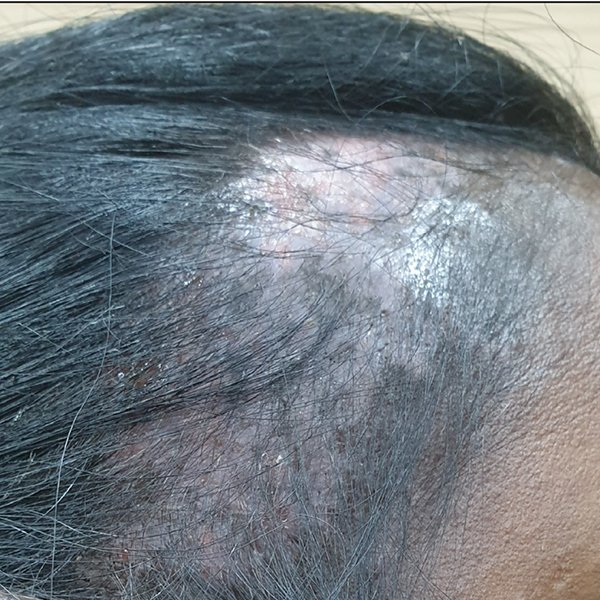
At Human Safety Bharat, we aim to spread awareness about the harmful effects of chemical hair colors and help individuals make safer choices. Repeated exposure to these chemicals can cause scalp irritation, burning, dandruff, thinning hair, and even severe allergic reactions. In some cases, chemical dyes can leave behind lasting skin patches or trigger respiratory discomfort due to strong fumes. The real danger lies in regular and long-term use, which gradually damages both the hair structure and the natural protective layer of the scalp.
Chemical Hair Colors: Hidden Risks You Should Know
Hair coloring has become a routine part of grooming, fashion, and personal expression. But behind the promise of quick, vibrant, and long-lasting shades, many chemical hair colors come with dangers that most people are never informed about. These products often contain harsh ingredients that can damage your hair, irritate your scalp, and affect your overall health with repeated use.
At Human Safety Bharat, our goal is to make people aware of these risks and encourage safer, healthier choices.
What Makes Chemical Hair Colors Harmful
Many commercial hair dyes include strong chemicals like:
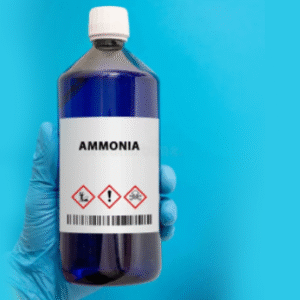
Ammonia
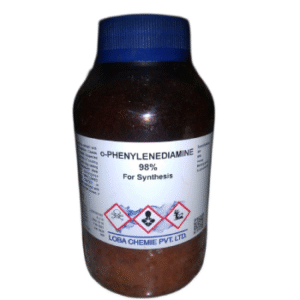
PPD (Paraphenylenediamine)
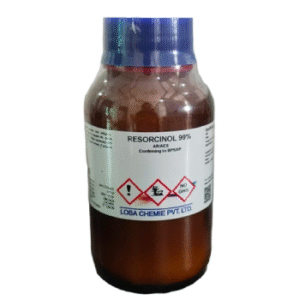
Resorcinol
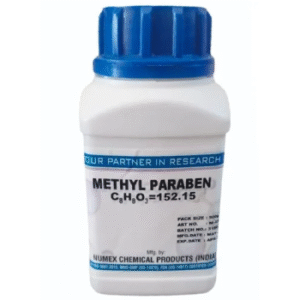
Parabens
Artificial fragrances & dyes
These chemicals allow fast penetration and long-lasting color, but they also harm your hair and skin with every application.
How Chemical Hair Colors Affect You
Scalp Irritation and Allergic Reactions
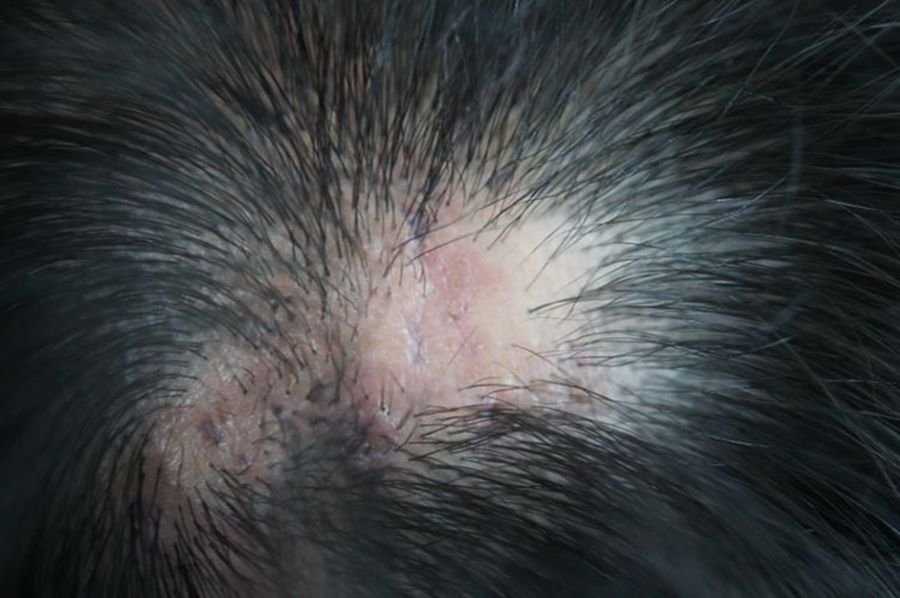
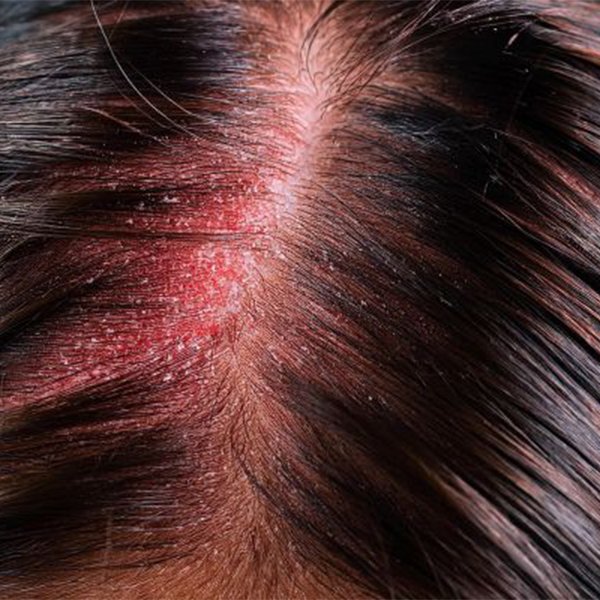
Burning, itching, redness, rashes, and scalp sensitivity are common reactions. PPD can trigger severe allergies that become worse with repeated exposure.
Respiratory and Eye Irritation
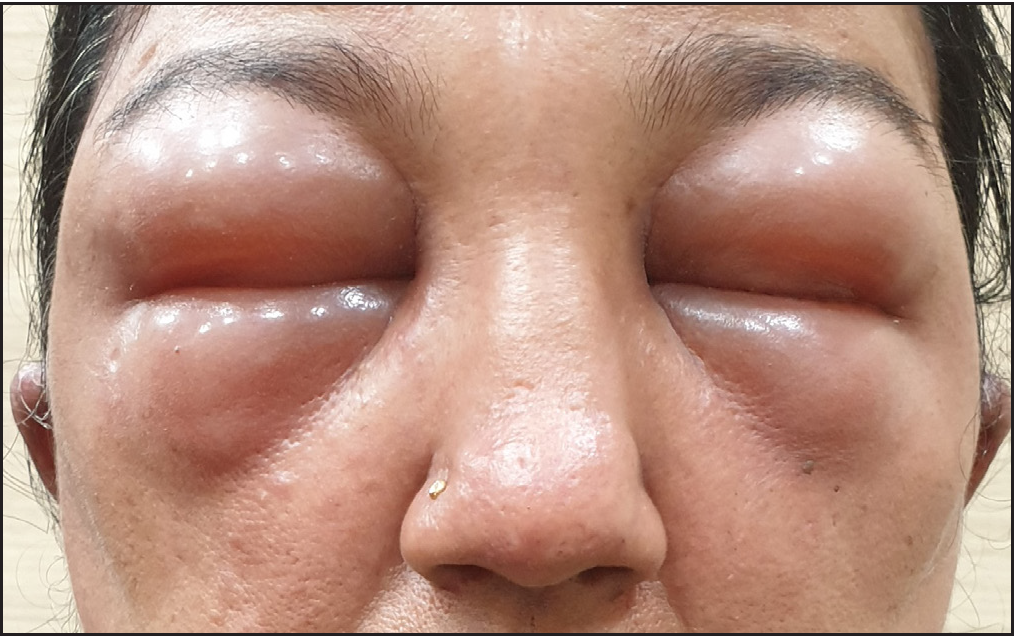
Strong fumes from ammonia and chemical fragrances can irritate your eyes, nose, and throat, especially during frequent use.
Persistent Dandruff and Scalp Damage
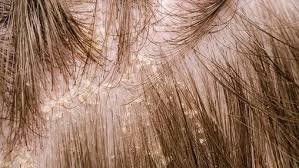
Harsh ingredients disturb the natural balance of your scalp, causing flakiness, inflammation, and long-term sensitivity.
Weak and Damaged Hair

Chemical dyes strip the hair of its natural moisture, leading to dryness, split ends, breakage, and increased hair fall.
Long-Term Risks Most People Overlook
- Thinning hair and damaged hair roots
- Permanent scalp sensitivity
- Pigmented patches on the skin
- Repeated allergic flare-ups
- Chronic itching and dryness
In some cases, severe chemical reactions may require medical treatment.
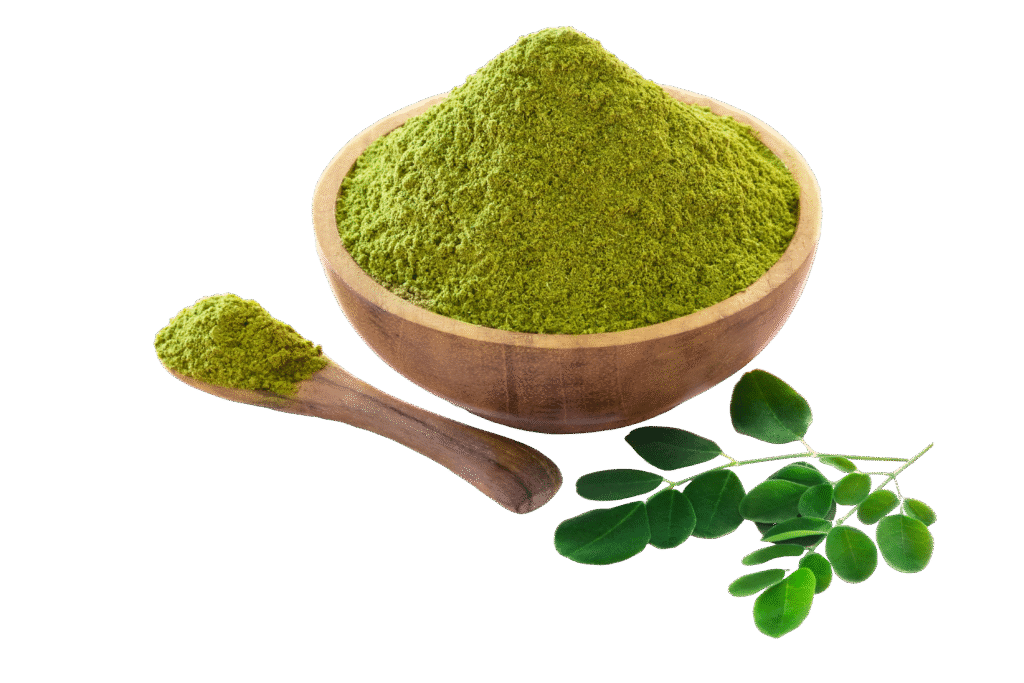
Choose Safer Alternatives
Safer hair coloring is possible. Natural or chemical-free hair color options are:
- Gentle on the scalp
- Better for long-term use
- Less likely to trigger allergies
- Kinder to your hair health
Your hair should look beautiful without sacrificing your well-being.
Our Mission
Human Safety Bharat is dedicated to educating individuals about the hidden risks of chemical hair colors and helping them identify safer solutions. Our aim is to empower people with awareness so they can make healthy and informed choices for themselves and their families.