
Fast Cone
The Hidden Danger Behind Fast Cone
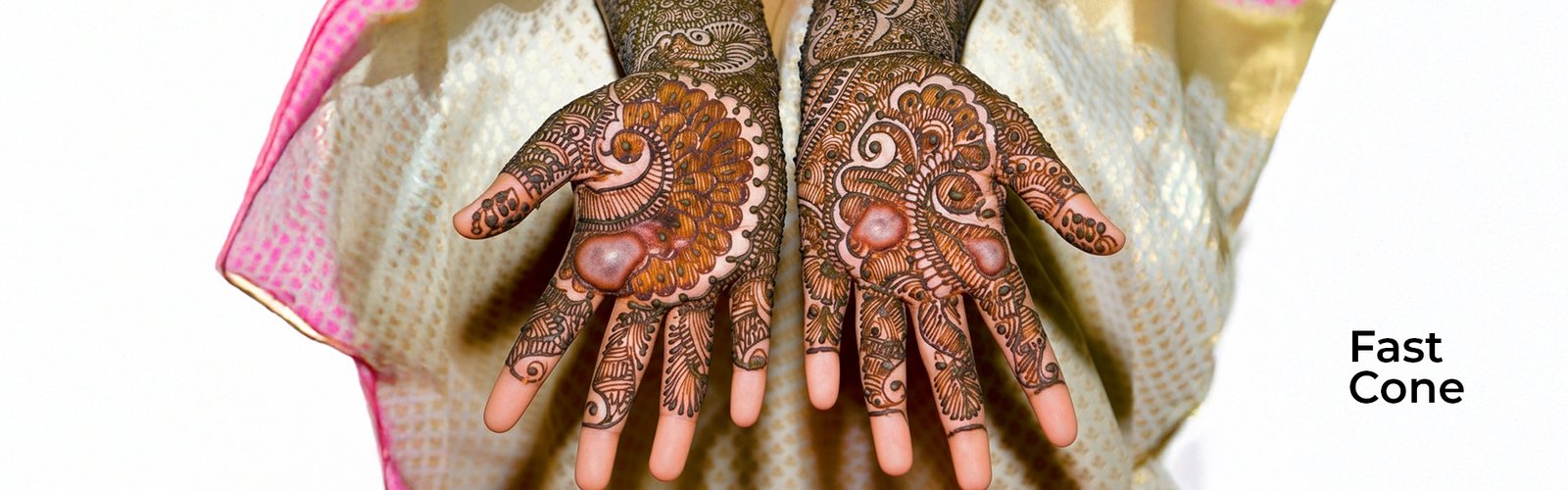
Mehndi has always been a symbol of beauty, tradition, and celebration—an art form that carries generations of culture within every pattern. For weddings, festivals, and special occasions, applying mehndi is more than decoration; it is a ritual that signifies joy, purity, and togetherness.
But in recent years, this beautiful tradition has quietly been overshadowed by a growing concern. Many people have unknowingly begun replacing pure, natural henna with chemical-filled Fast Cones that claim to give deep, dark color within minutes. Their attractive packaging and quick results make them seem convenient and modern, especially for those in a hurry.
However, what most people do not realize is that behind this Fast Cones lies a hidden danger. These cones often contain harsh synthetic dyes, strong chemicals like PPD, and artificial fragrances that are not meant for skin contact. While the stain may look bold and beautiful at first, the long-term effects can be far more harmful than expected.
This shift from natural mehndi to chemical alternatives is putting countless people at risk, turning a harmless cultural practice into a potential health hazard. Human Safety Bharat aims to bring awareness to this issue, reminding everyone that true beauty never comes at the cost of safety.
What Is Chemical Henna?
Chemical henna is not real henna at all. It is a mixture of mehndi powder combined with synthetic dyes, artificial color boosters, preservatives, and harsh chemicals added to create instant, dark stains. One of the most common and dangerous chemicals found in these cones is PPD (Paraphenylenediamine) a strong dye used in textile and hair coloring, never intended for direct application on the skin.
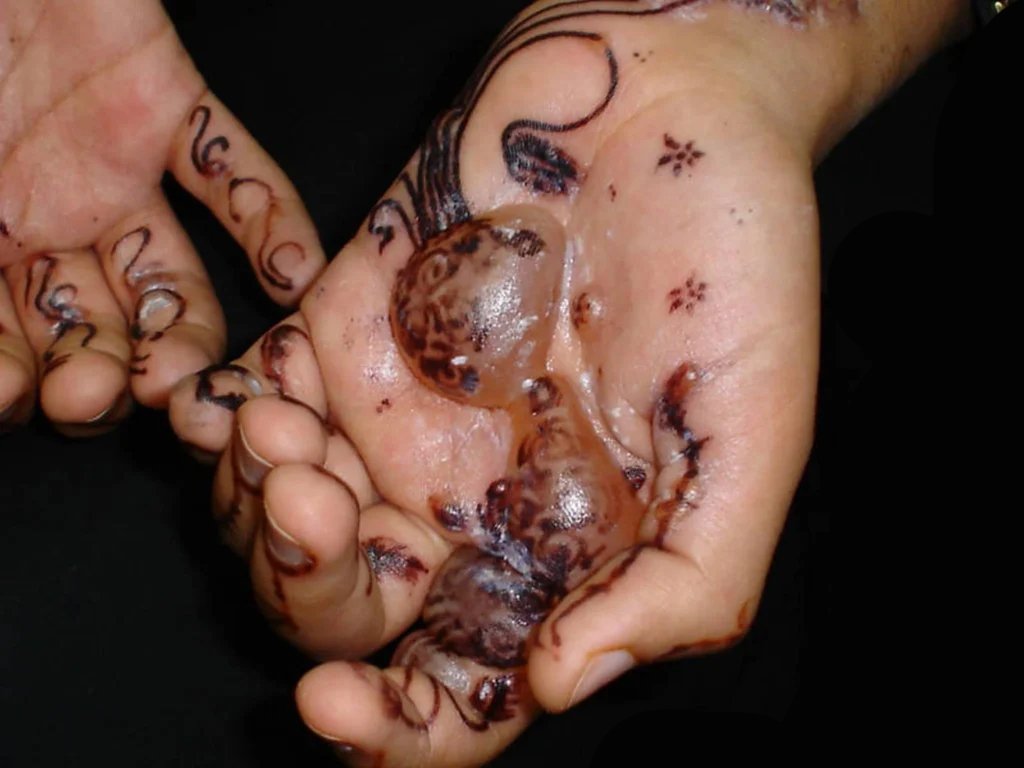
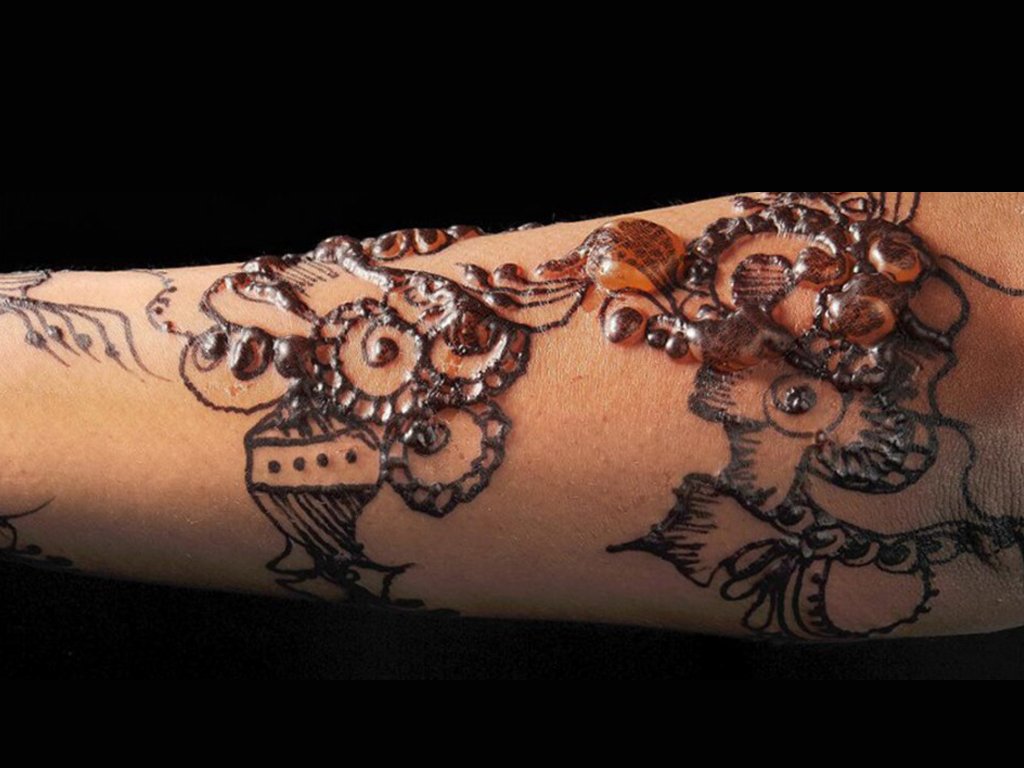
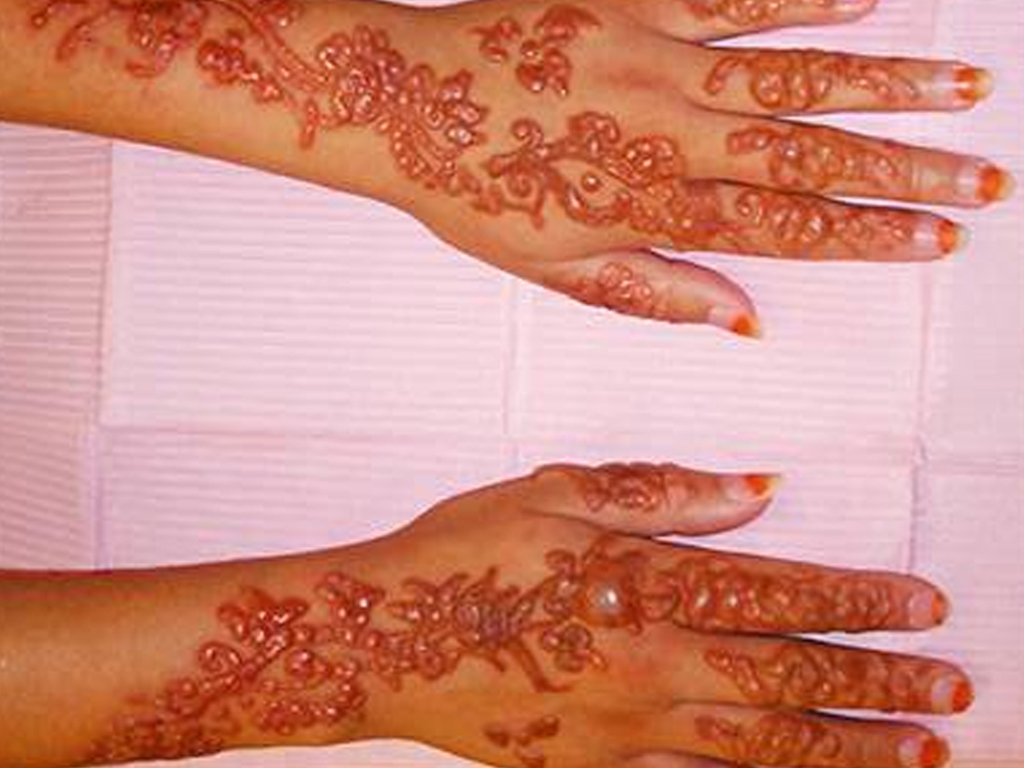
These additives are used because they dramatically speed up the color development process, giving a dark stain within minutes instead of hours. While this may seem convenient, the reality is deeply harmful. The skin absorbs these chemicals, which can lead to immediate reactions such as itching, burning, swelling, and blisters, especially for people with sensitive skin.
The danger does not end there. Long-term or repeated exposure to chemical henna can cause permanent scarring, chronic allergies, increased skin sensitivity, and even serious medical complications. What appears to be a simple mehndi cone can, in reality, hide toxins that your skin is never meant to come in contact with.
The Risks of Using Chemical Henna
1. Severe Skin Reactions
Chemical cones often cause itching, burning, redness, swelling, and painful blisters on the skin.
2. Permanent Scarring
Strong dyes like PPD can leave behind dark marks or permanent scars, especially on sensitive skin.
3. Allergic Reactions
Fast Cones can trigger allergies, causing rashes, peeling skin, and long-term sensitivity to dyes and hair colors.
4. Long-Term Health Concerns
Repeated use of chemical henna exposes your skin to toxins that may contribute to serious health issues over time.
These additives are used because they dramatically speed up the color development process, giving a dark stain within minutes instead of hours. While this may seem convenient, the reality is deeply harmful. The skin absorbs these chemicals, which can lead to immediate reactions such as itching, burning, swelling, and blisters, especially for people with sensitive skin.
The danger does not end there. Long-term or repeated exposure to chemical henna can cause permanent scarring, chronic allergies, increased skin sensitivity, and even serious medical complications. What appears to be a simple mehndi cone can, in reality, hide toxins that your skin is never meant to come in contact with.
How to Identify Chemical Fast Cone/Henna Paste
Many chemical cones are sold as “herbal,” “instant,” or “black henna,” making them tricky to identify. Watch out for:
- Strong chemical smell
- Very dark or black color within minutes
- Unnaturally smooth, gel-like texture
- No ingredients list on the packaging
- Excessive staining even without proper drying
- Burning sensation as soon as applied
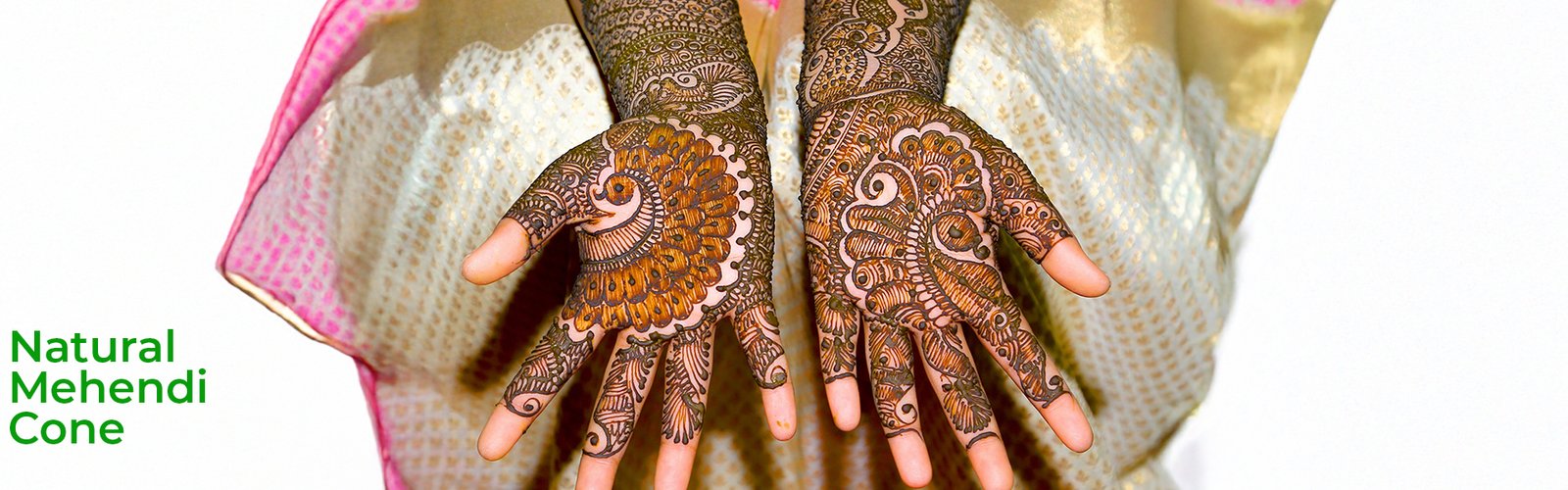
Natural henna, on the other hand, smells earthy, takes hours to stain, and results in a deep orange-to-brown color.
Why People Still Use Chemical Fast Cone/Henna Paste
- Lack of awareness
- Temptation of quick, dark color
- Misleading claims on packaging
- Low cost compared to pure henna
Human Safety Bharat works to break this cycle by educating people and promoting healthier choices.
Side Effects of Chemical Fast Cone/Henna Paste
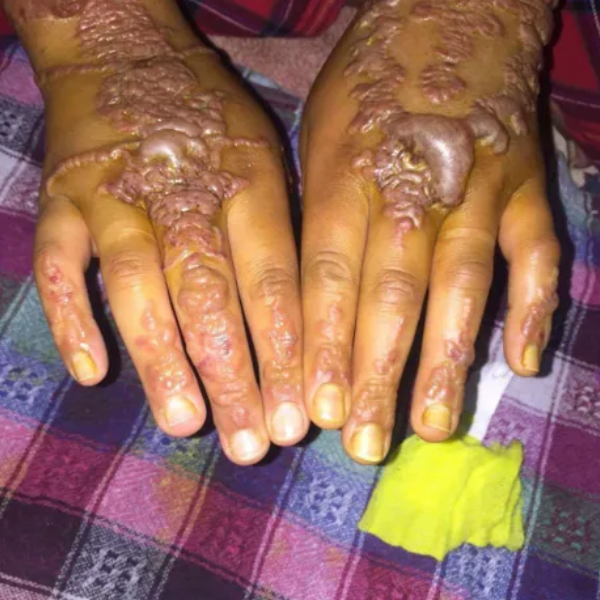
Blisters & Skin Peeling :
Painful boils, blisters, and peeling that can leave long-lasting marks.
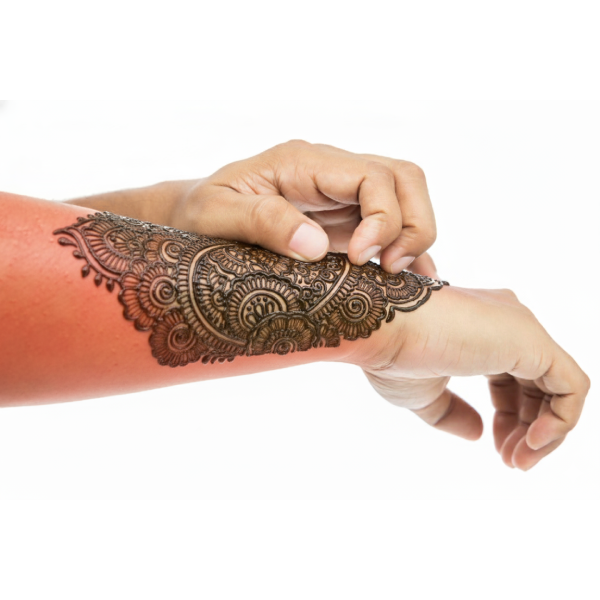
Severe Skin Reactions:
Redness, itching, swelling, and burning sensations within minutes of application.
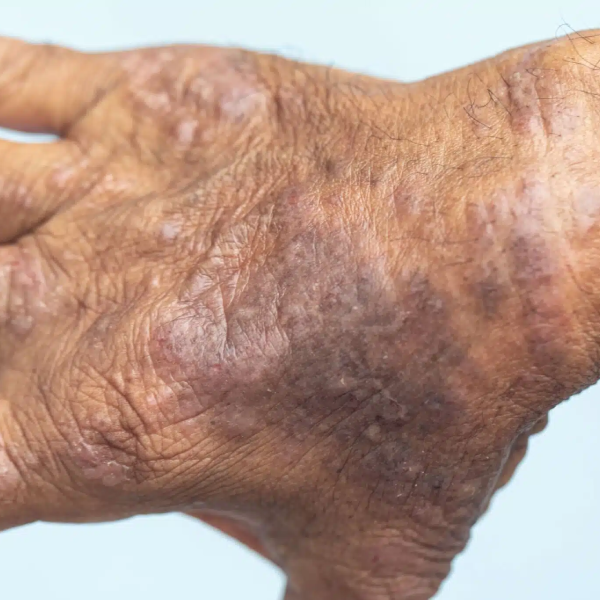
Permanent Scarring:
Dark patches, hyperpigmentation, and permanent skin damage.
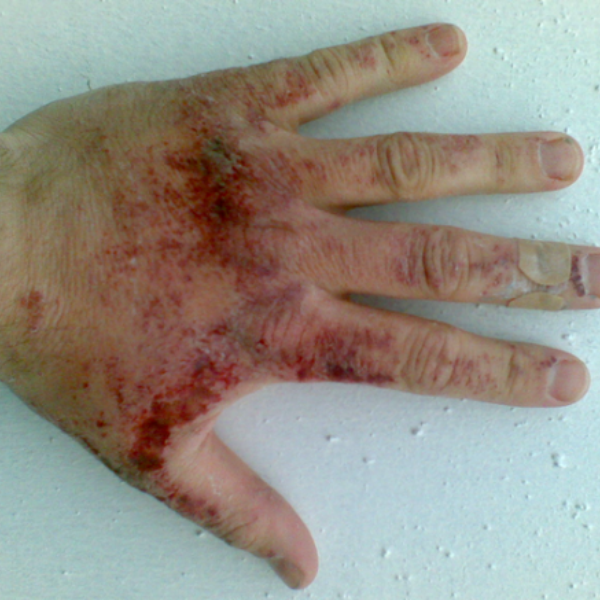
Chemical Burns:
PPD and similar dyes can cause chemical burns on sensitive skin.