
Safe Food Matters
Know what you consume so you can protect your health.
Human Safety Bharat is dedicated to spreading awareness about the growing dangers of chemical-based and adulterated products that have become common in daily life. From chemical henna and instant mehndi cones to unsafe hair colors, harsh skin-care products, and adulteration in food, harmful ingredients are silently affecting our health and well-being.
Our platform works to educate people, highlight hidden risks, and raise a strong voice against these unsafe practices. We help individuals understand how to identify harmful chemicals, spot signs of adulteration, and make safer, more conscious choices.
At Human Safety Bharat, our purpose is simple:
To protect people through awareness, promote safer alternatives, and empower everyone to choose products that genuinely care for their health.
What Is Food Adulteration?
Food adulteration is the process of adding unwanted, unsafe, or low-quality substances to food to increase quantity, improve appearance, or reduce cost. While it may seem harmless on the surface, many of these additives can cause serious health problems.
Adulterated food can affect anyone, regardless of age or lifestyle, and long-term exposure can lead to severe health complications.
These additives are used because they dramatically speed up the color development process, giving a dark stain within minutes instead of hours. While this may seem convenient, the reality is deeply harmful. The skin absorbs these chemicals, which can lead to immediate reactions such as itching, burning, swelling, and blisters, especially for people with sensitive skin.
The danger does not end there. Long-term or repeated exposure to chemical henna can cause permanent scarring, chronic allergies, increased skin sensitivity, and even serious medical complications. What appears to be a simple mehndi cone can, in reality, hide toxins that your skin is never meant to come in contact with.
Why It’s a Serious Concern
Adulterated food may look fresh, pure, or appealing, but its effects can be harmful and long-lasting. Common consequences include:
- Digestive problems and food poisoning
- Weakening of the immune system
- Nutritional deficiencies
- Long-term health disorders from chemical exposure
Commonly Adulterated Food Items
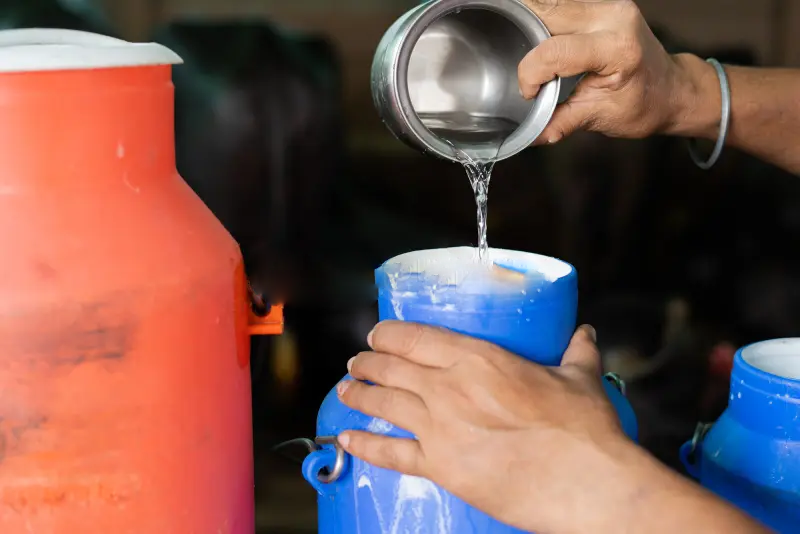
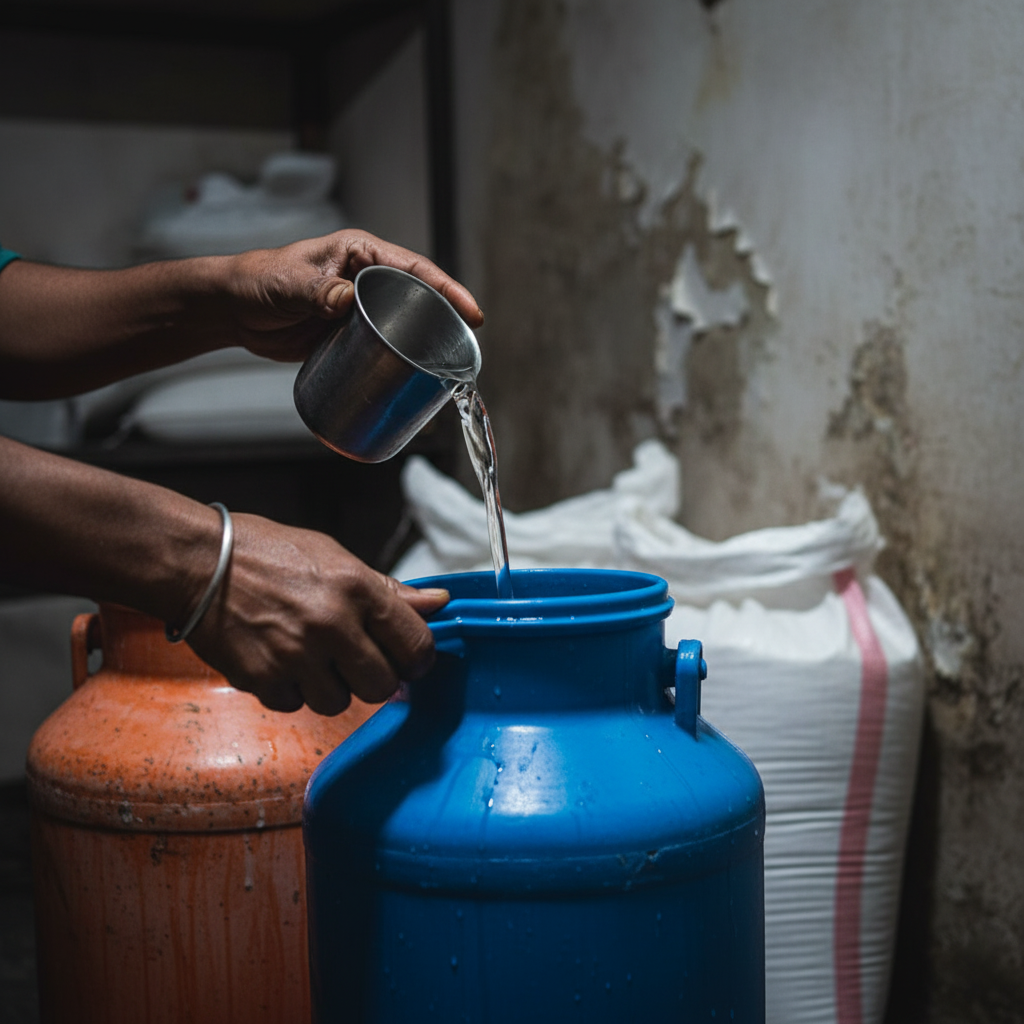
Milk is often diluted with water or, in more severe cases, mixed with urea to artificially increase its quantity and thickness. While it may appear normal, this adulteration significantly reduces the nutritional value and can lead to serious health issues, especially for children and the elderly.
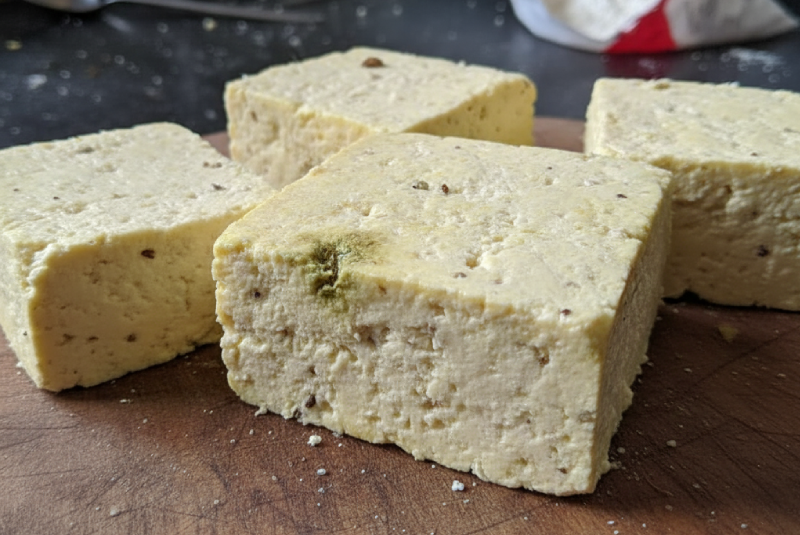
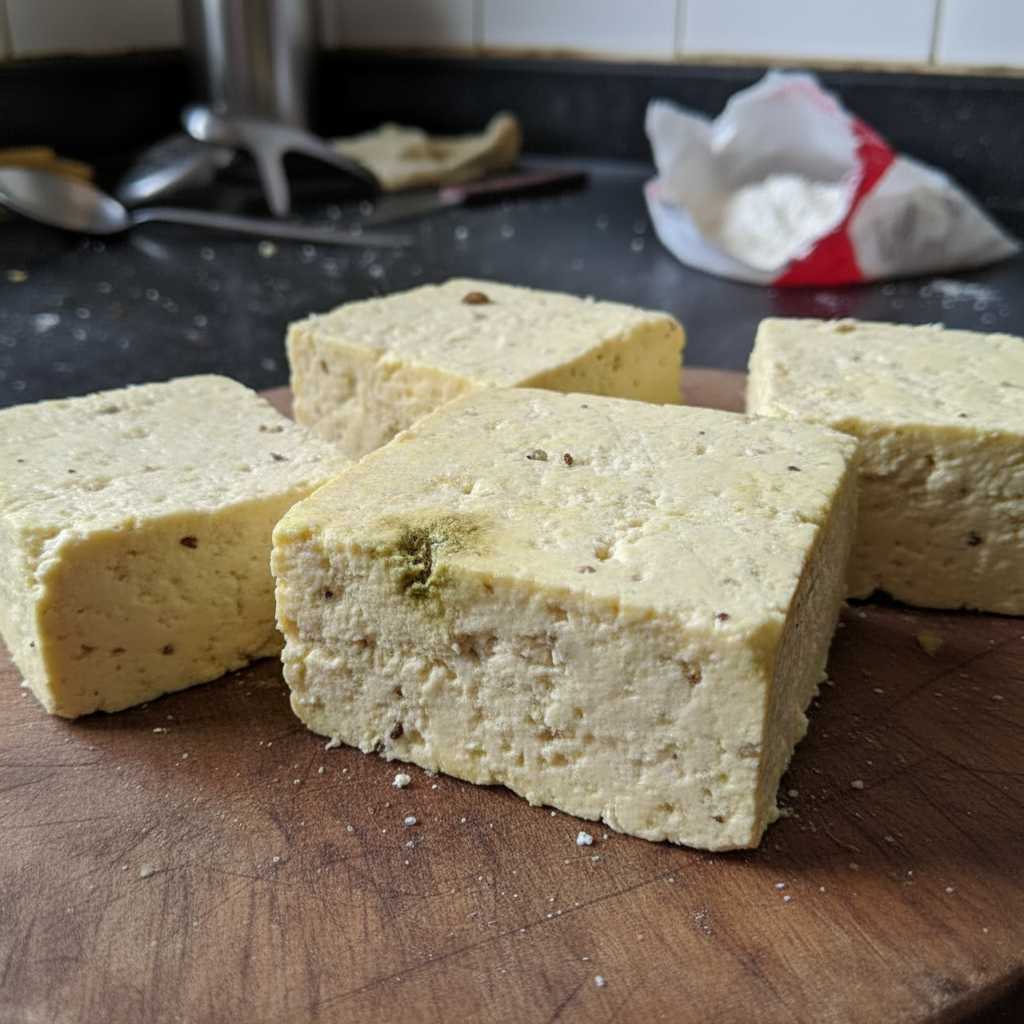
Paneer is often adulterated with starch, excess water, and sometimes harmful chemicals like hydrogen peroxide or whitening agents to increase quantity and reduce costs. These additives lower its nutritional value and can pose serious health risks when consumed regularly.
Here is a slightly expanded version while keeping it clear and simple:
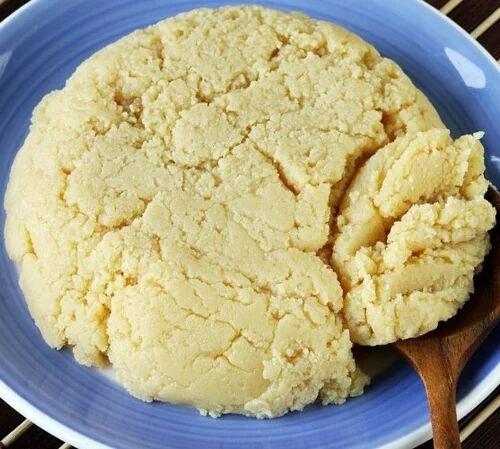
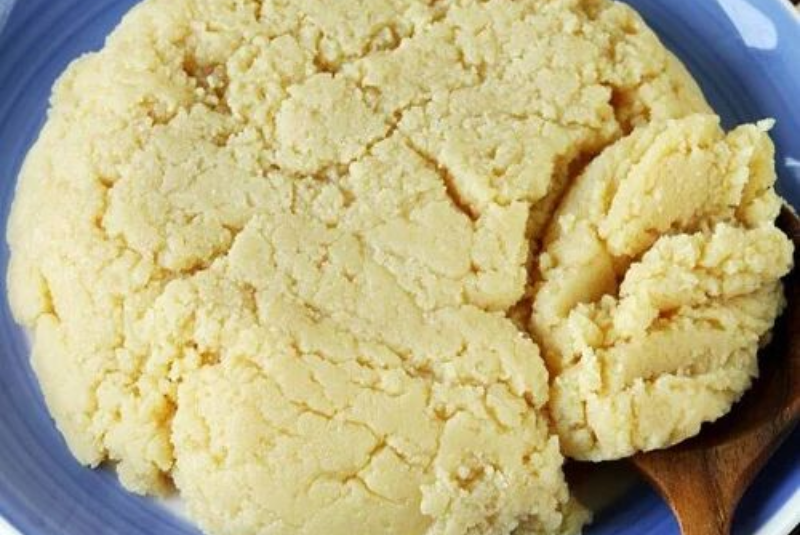
Khoa is often adulterated by adding substances like starch, detergent, or hydrogen peroxide to bulk up the quantity or mimic its natural richness and texture. These additives compromise quality and can be harmful when consumed regularly.
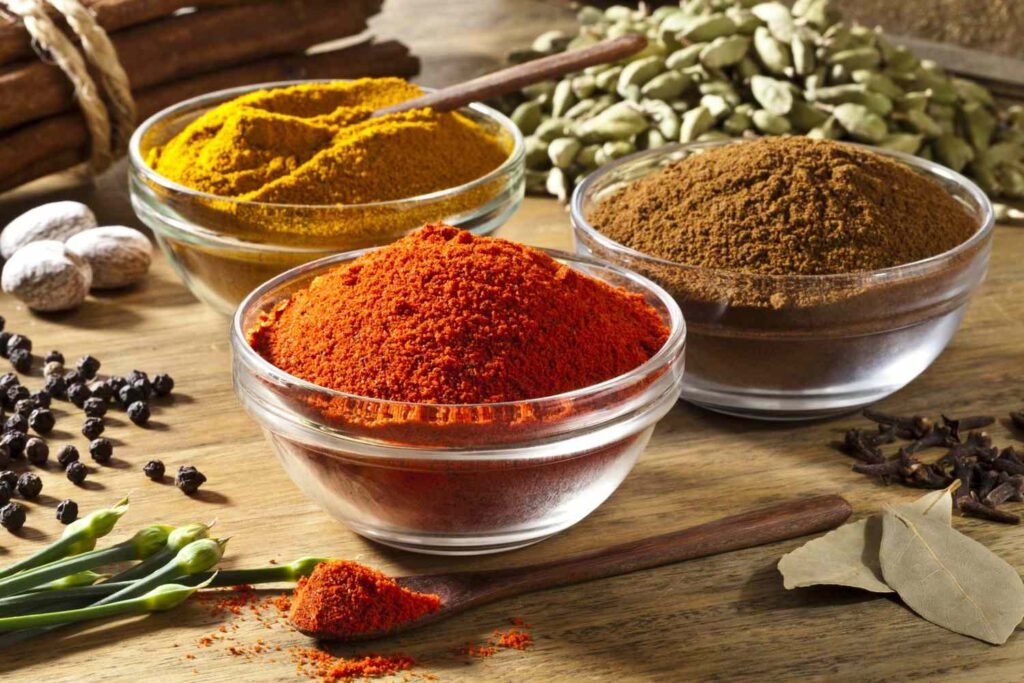
Spice adulteration involves mixing low-quality or harmful substances with spices to increase weight, improve color, or hide poor quality. Common adulterants include fillers like brick powder, sawdust, and starch, as well as toxic dyes such as lead chromate or metanil yellow, and even foreign seeds or small stones.